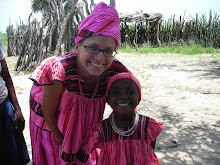
So the last couple of weeks spent in Windhoek have been full of home work and assignments, but of course you have to celebrate your last little bit of time anywhere in the world and we are doin’ it up in style!
Last Thursday we went out to NICE, Namibia Institute for Culinay Education, a fancy schmancy restaurant. Since, it’s towards the end of the trip and I’m a bit broke I only got desert but it was delicious! I got profiteroles which were like eating a chocolate ice cream dream! Then we went to a bar called Dylan’s for karaoke! We had the most fun here, despite the slightly racist Afrikaaner vibe you can catch from the place. We sang Lady Marmalade, Benny and the Jets and so many more! We sang pretty much everyone else’s song too!
This past week has been our last week of classes and I’ve been excited and nervous to see them wrap up. This Friday was the last class I will ever have as a junior! It’s so exciting to enter senior year but nauseatingly scary to think about graduating and entering the ‘real world’!
On Wednesday for religion class we met up with Selma Sheavali who is a representative of the Council of Churches in Namibia. She showed us the office and the Diakonia in the City organization that funds and created some of the projects we saw that day. Then we journeyed into the informal settlements to see the two pre-schools that DIC helped create. The children there were very excited to see Selma, and sang “Grandma!” as she approached, which is a sign of respect and affection. They were so cute and sang for us! At the schools there is also a staff present that bakes bread and sells it in the informal settlements, where they cannot easily find bread otherwise. This project came out of community villages, which is what DIC set up with community members to identify their own needs and look at sustainable ways to meet them. The bread sales currently employ Namibians and sustain the school, which is crucial since the unemployment rate is between 30 and 50% here. Many of the DIC staff members studied community development in Dubuque, Iowa. After hearing the staff talk about the program and seeing the work done in the informal settlements I am very interested in this program for grad school, years down the line. I plan on making money! ; ) (Sarcasm, in case you didn’t get it.)
Thursday, we got let out of class early and ran off to the Namibian Art Museum. It was great to see Namibian art! There was a wide array of mediums from tapestry to etching to paintings to pottery and clay work. It was also very exciting because all of the work was done by Namibians and some was done by Namibian art students from Katutura. We were also allowed to buy this art, right off the walls! I bought TWO tapestries for under N$200! Normally I don’t talk cash but I want to explain to you, reader, that this was quite a steal. Most tapestries range from N$400-700 for just one! These two may have been my favorite buys for the whole trip! They are SO beautiful!
Anyway then we came back home for lunch just to jump in a cab to Northern Industrial to go on a tour of Namibia Breweries Limited. The brewery brews Tafel Lager, Windhoek Draught, Lager and Special, Club Shandy and Heineken, and only the last beer is not a Namibian beer! It was fun to see how the hops and barley was processed, stored, bottled and distributed. The brewery was founded 90 years ago, and is celebrating 90 years of brewing Namibian beer and 20 years of Namibian independence! At the end of the tour we got to have one on the brewery. I had a Club Shandy, which is a mix of beer and lemonade. I love sweet drinks!
That evening I went to the last Management Committee meeting for my internship at Friendly Haven. They said goodbye to me and thanked me for my good work ethic and cheerful and positive attitude. It meant so much to me as they all gave their input on my work and said their goodbyes. They wished me well and were so supportive of my future. I hope to see Friendly Haven be a sustainable shelter for women within the next couple of years, as it is their biggest and most important goal. My experience there has been an invaluable one and I hope to learn even more in the future, especially this summer at my internship in downtown Indianapolis with College Mentors for Kids.
Our last day of class, Friday, we went to Habitat Research and Development Centre, which is a government project that researches alternative sources of energy and waste removal. This centre was very innovative. Almost everything they used to build the architectural wonder was recycled materials such as tyres (as they spell it here), scrap metals, plastic, bags of soil, hay and styrofoam covered in plaster and even used fire extinguishers! They experimented with a lot of different building materials. They also use toilets that dry out the waste and only then need to e removed every 5 to 6 years. A fan that the wind blows eliminates the smell. It is truly ingenious! They use solar panels for all their energy needs and export energy to the municipality. They also have solar cookers that they sell in the north and a biogas project that collects human excrement and turns it into methane gas that people can cook with. The challenge of the biogas project is that it requires more waste than a single family can produce. Other challenges are that solar panels and energy is very expensive at first, and becomes economically viable after fifteen years which is difficult for Namibians to afford but is by far the most efficient ways to provide energy in sunny Namibia. They also lack funding for a lot of things because the government believes it should be sustainable after time and it decreases its funding each year.
We finished our class there. During reflection a lot was brought up. Namibia is very interesting and complex, in ways I never could have known before coming here. I’m sure I have so much more to learn, even though my time is up. I’ve also come to understand development on a deeper and more complex level. It’s a very challenging thing and every project, initiative or campaign must be questioned and carefully examined.
On a lighter note, that night we were invited by Imam Shafi, the imam at the Islamic Cultural Centre, to a Muslim dinner. The Imam and his colleagues were very hospitable. We ate delicious Muslim food and questioned the Imam about issues in the Islamic world, the Islamic Center, and Islam in Namibia. The imam was a very dynamic, charismatic and fun-loving leader. I learned quite about Islam that night.
I feel so many different emotions related to the rest of my time here and the adventure that presents itself in front of me when I come home. I’m so excited to come home and see the faces of those I love so much! Excited to start a new adventure, with a new internship and my last summer as an undergraduate in college. Scared to begin senior year and the “real” world. Sad to leave behind this beautiful country I have come to know, like the back of my hand, and the people that made this trip worthwhile. Poised on the tip of the edge, ready for the next adventure to start.
Showing posts with label development. Show all posts
Showing posts with label development. Show all posts
Monday, April 26, 2010


Saturday, April 24, 2010
Trip to the South 2.0

Our trip to the south 2.0 was focused on environmentally sustainable development. We first drove to a lodge by Hardap Dam in Mariental. We set up camp and had a delicious meal by the fire. The next morning we had class outside in the hot morning sun. Southern Namibia is very hot! By 10 a.m. you are burning up! On our way into Mariental we stopped to see Hardap Dam which was beautiful!
One thing I will miss so much about this country is the beautiful scenery. The nature here is so extreme, varying and breath-taking. The dam water was a solid bright green and on the other side of the dam pelicans lazed about, on slightly clearer water. The most beautiful aspects of southern Namibia are the mountains. Browns and golds that jut out of the rocky land.
Next we went to Brukkaros Community Campsite and set up camp in the blazing hot sun of the afternoon! Then we listened to Petrus Fleermuys talk to us about Berseba, the small town that ran the campsite. It is a very small town that is looking to use Brukkaros Mountain to increase tourism to the campsite.
That evening at the campsite we explored the beautiful rocky terrain. Andy and I walked through a dry river bed. The stones were smooth and terra-cotta colored. It got so deep you might think the river bed could swallow you whole, at certain points. It was amazing! We walked back as the sun set, which is one of the most beautiful things to witness in Namibia.
For dinner Friday night we had mac’n cheese, spinach feta cranberry salad and for desert banana boats, which are DELICIOUS!
The next morning we woke up early to explore the mountain. The walk up was tough but so worth it! The scenery was incredible. Although it was slightly dangerous I was proud of how far I got up the mountain, which was not all the way. The natural scenery of the south is ineffable.
We came back down the mountain, struck our camp and met up with a youth group in Berseba to plant trees at the camp site. The kids were very talented and kind high school students. They sang many songs for us and sounded fantastic! They could harmonize like no one’s business! It was an incredible time!
Then we went to their school where we had lunch together, after a musical exchange! After lunch we left our friends in Berseba for the last leg of our trip in Mariental.
We arrived at Gondwana Kalahari Anib Lodge and set up camp, again! That night for dinner we ate chili buy the boat load, along with fruit and cheese as an appetizer and s’mores for desert! There are some excellent chefs amongst our bunch!
The next morning, Sunday, April 11, a representative of from the lodge came to talk to us about the lodge. He said that the lodge was part of a bigger enterprise that has several lodges all over Namibia. Their philosophy is based on the African pot that has three legs. One leg stands for financial viability, another for community involvement and responsibility and a third for environmental responsibility. He said that the company looks at all three of these aspects and look to enrich Namibia. He presented a strong argument for his company and made our eyes light up with love for the tourism industry and the Namibian life.
Later we reflected on our whole trip and I thought about, and discussed, privilege. The man from the lodge ran a private company and was a white Namibian which undoubtedly made him very privileged. Upon comparing the community-run campsite with the lodge, these two were night and day. The community-run campsite offered us a latrine and a couple of patches of shade while the lodge offered soft sand, fully functional bathrooms with showers, a kitchen, stoves and a fire pit. Development is not always what it seems and the lodge company’s efforts are not always socially responsible, especially when it comes into conflict with being economically viable. It’s also crucial to examine where the money comes from, how it can be used and how it is inevitably linked back to apartheid and post-apartheid white privilege.
After reflection and lunch we went into the city to talk to Catherine Boois, who works at the Mariental Municipality. She spoke to us about the challenges the city faces, as it sometimes floods (which is hard to imagine in the dry south!) and their attempts at increasing cultural tourism as people stop going to and from South Africa and Windhoek.
We arrived at our home in Windhoek in the afternoon. I lamented over this being our last trip CGE would take us on before Cape Town which is our last stop on our journey home. Although it is our last CGE trip in Namibia I am squeezing in a third and final trip to the south with my sister Britt!
Subscribe to:
Posts (Atom)